Understanding Hugh Grant's Daughter: The Impact of Down Syndrome and Family Support
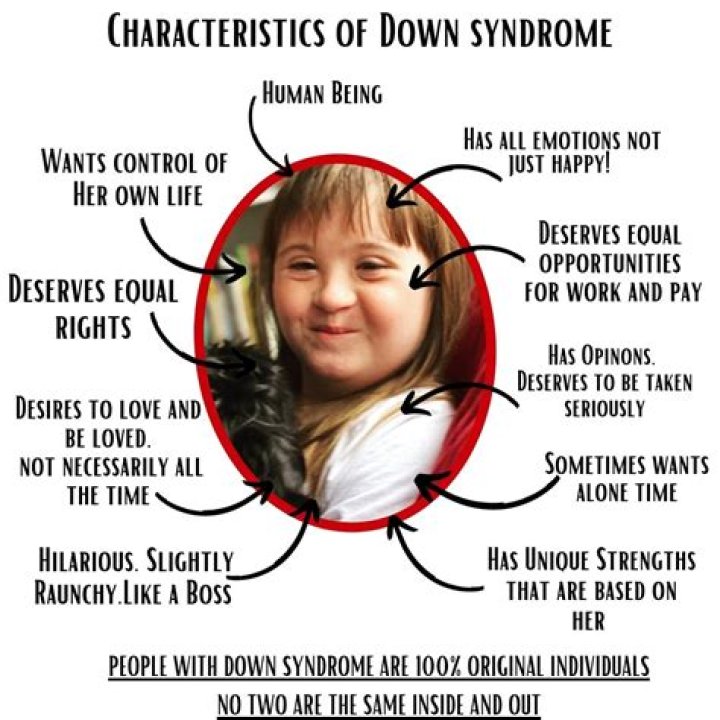
Hugh Grant, a renowned actor, has garnered immense fame throughout his career, but his role as a father has been one of the most significant aspects of his life. One of his daughters, born with Down syndrome, has brought both challenges and profound joy to his family's life. In this article, we will explore the journey of Hugh Grant as a father, the realities of raising a child with Down syndrome, and the importance of awareness and support for families in similar situations.
As we delve deeper into this topic, we will highlight the significance of understanding Down syndrome, the societal impacts, and how public figures like Hugh Grant can influence perceptions and promote inclusivity. This is not just a story about a celebrity; it is about the universal themes of love, acceptance, and the need for support systems for families dealing with disabilities.
Join us as we navigate through the intricacies of this subject, shedding light on the challenges and triumphs that come with raising a child with Down syndrome, and the ways in which we can build a more inclusive society.
Biography of Hugh Grant
Hugh Grant, born on September 9, 1960, in London, England, is widely known for his charming roles in romantic comedies. He has starred in numerous films such as "Four Weddings and a Funeral," "Notting Hill," and "Love Actually," earning both critical acclaim and popular success.
Personal Life and Family
Hugh Grant has three children, including his daughter with Down syndrome, whose identity has been kept private. Despite the challenges that come with raising a child with special needs, Grant has been vocal about the joys and lessons that parenthood brings.
Data and Personal Information
| Name | Hugh Grant |
|---|---|
| Date of Birth | September 9, 1960 |
| Profession | Actor, Producer |
| Children | Three (including one with Down syndrome) |
Hugh Grant's Daughter and Down Syndrome
Hugh Grant's daughter with Down syndrome has become a focal point in discussing the experiences of families raising children with disabilities. While Grant has chosen to keep her identity private, his advocacy and openness about his experiences have resonated with many.
Down syndrome, a genetic condition caused by the presence of an extra chromosome 21, is characterized by a range of developmental and physical challenges. Children with Down syndrome often face unique hurdles, but they also possess distinct strengths and abilities.
Understanding Down Syndrome
To better understand the implications of Down syndrome, it is essential to explore its characteristics, challenges, and the support systems available to families.
Characteristics of Down Syndrome
- Physical features: Distinctive facial features, short stature, and low muscle tone.
- Cognitive abilities: Vary widely; many individuals lead fulfilling lives with appropriate support.
- Health issues: Higher risk for certain medical conditions, including heart defects and vision problems.
Educational and Developmental Support
Early intervention and tailored educational programs can greatly benefit children with Down syndrome. These programs focus on enhancing communication skills, social interactions, and cognitive development.
Importance of Family Support
Family support plays a pivotal role in the development and well-being of children with Down syndrome. Parents, siblings, and extended family members can provide emotional and practical assistance, creating a nurturing environment.
Building a Support Network
- Connecting with other families: Sharing experiences and resources can alleviate feelings of isolation.
- Seeking professional guidance: Therapists and counselors specializing in developmental disorders can offer valuable insights.
- Participating in community programs: Engaging with local organizations can foster a sense of belonging.
Societal Impact of Down Syndrome Awareness
Raising awareness about Down syndrome is crucial for fostering inclusion and acceptance in society. Public figures like Hugh Grant can leverage their platforms to advocate for change and promote understanding.
Changing Perceptions
Through media representation and advocacy, celebrities can help shift societal views on disabilities. Positive portrayals in films and television can contribute to a more inclusive mindset.
The Role of Celebrities in Advocacy
Celebrities hold significant influence in shaping public opinion. Hugh Grant's candid discussions regarding his daughter's challenges have sparked conversations about Down syndrome and the importance of support.
Advocacy Initiatives
Many celebrities engage in philanthropic efforts to support organizations focused on Down syndrome research and advocacy. Their involvement raises funds and awareness, driving progress in medical and social initiatives.
Resources for Families
Families navigating the challenges of raising a child with Down syndrome can benefit from various resources:
- Down Syndrome Association: Offers support, information, and advocacy.
- Local support groups: Connects families with shared experiences.
- Online forums: Provides a platform for discussion and resource sharing.
Conclusion
In summary, Hugh Grant's journey as a father to a daughter with Down syndrome underscores the importance of love, support, and advocacy. As we continue to raise awareness about Down syndrome, it is imperative to foster a society that embraces diversity and inclusivity.
We encourage readers to share their thoughts in the comments below, engage in conversations about this important issue, and explore other articles on our site to further their understanding.
Final Thoughts
Thank you for taking the time to read this article. We hope it has provided valuable insights and sparked curiosity about the experiences of families with children who have Down syndrome. We look forward to welcoming you back for more informative and engaging content.