Understanding Face Splitting Diving Accidents: Causes, Prevention, and Recovery
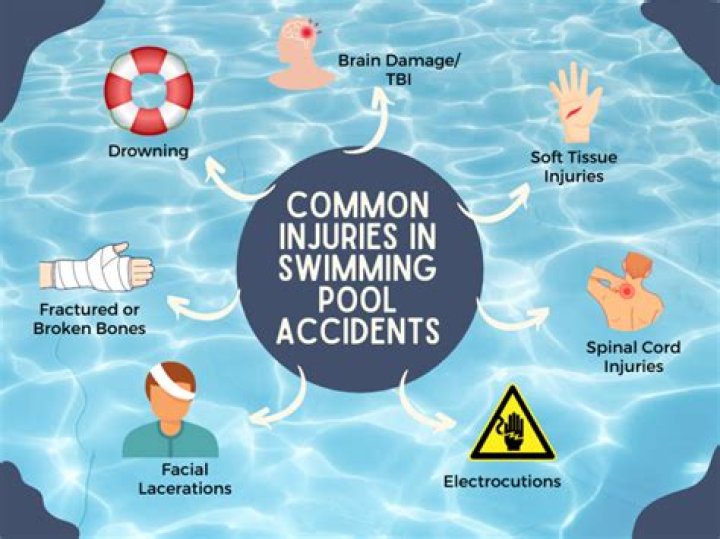
Diving can be an exhilarating experience, but it also comes with inherent risks, especially when it involves extreme sports like face splitting diving. This article aims to shed light on the phenomenon of face splitting diving accidents, exploring their causes, preventive measures, and recovery processes. By understanding these elements, divers can enhance their safety and enjoyment while engaging in this thrilling activity.
Face splitting diving accidents, while rare, can have devastating consequences. According to statistics, the majority of diving injuries are preventable, which highlights the importance of proper training and awareness. This article will break down the factors that contribute to these accidents and provide comprehensive insights into safe diving practices.
As we delve into the world of face splitting diving accidents, it is crucial to emphasize the significance of preparation, knowledge, and adherence to safety protocols. Whether you are an experienced diver or a novice, understanding the risks involved can help you make informed decisions and minimize potential dangers.
What is Face Splitting Diving?
Face splitting diving refers to a type of diving where the diver descends rapidly into the water, sometimes performing flips or twists, which can lead to accidents if not executed properly. This extreme form of diving can result in severe injuries, including facial fractures, concussions, and even more serious trauma if the diver collides with the water at an incorrect angle.
Characteristics of Face Splitting Diving
- High-speed entry into the water
- Complex aerial maneuvers
- Risk of collision with water surface
Causes of Diving Accidents
Diving accidents, including face splitting incidents, can occur due to a variety of factors. Understanding these causes is crucial for both novice and experienced divers.
Common Causes of Diving Accidents
- Lack of Training: Insufficient knowledge of diving techniques can lead to improper execution.
- Environmental Factors: Water conditions such as currents, waves, and visibility can significantly impact safety.
- Equipment Failure: Malfunctioning diving gear can increase the risk of accidents.
- Human Error: Poor judgment or decision-making can result in dangerous situations.
Preventing Diving Accidents
Preventing face splitting diving accidents involves a combination of education, preparation, and adherence to safety protocols. Here are some essential tips for divers:
Safety Tips for Divers
- Always undergo proper training and certification.
- Inspect and maintain diving equipment regularly.
- Be aware of environmental conditions before diving.
- Practice safe diving techniques.
Diving Injury Recovery
The recovery process after a diving accident can be long and challenging. Understanding the typical recovery steps is essential for injured divers and their support systems.
Steps in Recovery After a Diving Accident
- Immediate medical attention to assess injuries.
- Follow-up treatments and rehabilitation as needed.
- Emotional support and counseling for trauma recovery.
Biography of Diving Experts
Learning from experts in the field can provide valuable insights into safe diving practices. Below is a table of notable diving experts and their contributions to the sport.
| Name | Expertise | Contribution |
|---|---|---|
| Jacques Cousteau | Marine Conservationist | Pioneer in underwater exploration and filming |
| Dr. Sylvia Earle | Marine Biologist | Advocate for ocean conservation and exploration |
| Fabien Cousteau | Explorer and Environmental Advocate | Continues the legacy of ocean exploration |
Statistics on Diving Accidents
Understanding the statistical landscape of diving accidents can help divers make informed decisions. The following statistics illustrate the risks associated with diving:
- Approximately 70% of diving accidents are preventable.
- Fatalities in diving are often linked to insufficient training.
- Environmental conditions contribute to over 40% of diving accidents.
Resources for Divers
For those looking to enhance their diving knowledge and safety, there are numerous resources available:
- PADI (Professional Association of Diving Instructors)
- SSI (Scuba Schools International)
- NAUI (National Association of Underwater Instructors)
Conclusion
In conclusion, understanding face splitting diving accidents is essential for ensuring safety in this exhilarating sport. By recognizing the causes, implementing preventive measures, and being aware of recovery processes, divers can significantly reduce the risks associated with diving. We encourage readers to engage with this topic by sharing their experiences, leaving comments, or exploring further resources.
Embrace the thrill of diving, but always prioritize safety. For more information and articles related to diving, feel free to explore our site further!