Is Brittney Griner Trans? Understanding Her Gender Identity and Advocacy

In recent years, the question of whether Brittney Griner is trans has gained significant attention, particularly in the context of her advocacy for LGBTQ+ rights and her personal journey. As a prominent figure in women's basketball, her experiences and statements have sparked discussions about gender identity, representation, and the challenges faced by transgender individuals. This article delves into Brittney Griner's life, her gender identity, and the broader implications of her advocacy work.
Born on October 18, 1990, Brittney Griner is a professional basketball player who plays for the Phoenix Mercury in the WNBA. Her impressive career has not only made her a household name in sports but also a powerful voice for social issues, particularly those affecting the LGBTQ+ community. Throughout her career, Griner has been open about her sexual orientation and has become an influential advocate for equality.
In this article, we will explore the nuances of Brittney Griner's gender identity, her public statements regarding being a part of the LGBTQ+ community, and the significance of her role in promoting understanding and acceptance. We will also examine the societal context surrounding transgender issues and how Griner's advocacy contributes to the conversation about gender identity and rights.
1. Biography of Brittney Griner
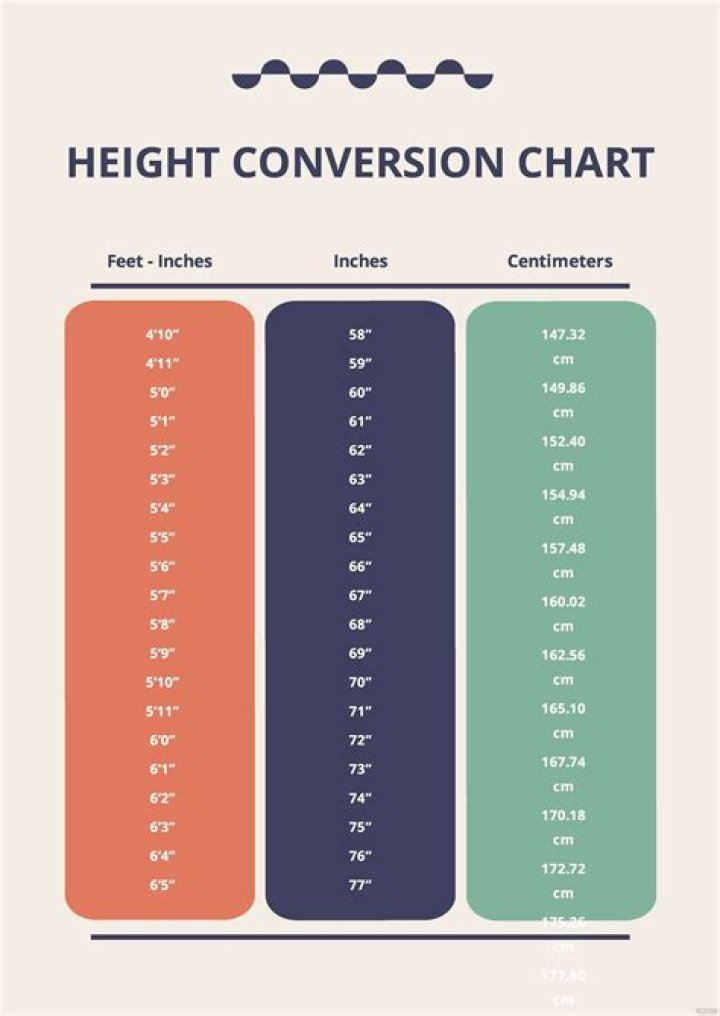
Brittney Griner was born in Houston, Texas, and quickly rose to fame as a basketball prodigy. Her towering height of 6 feet 9 inches allowed her to dominate on the court, leading to her selection as the first overall pick in the 2013 WNBA Draft. Griner's accolades include multiple WNBA championships, Olympic gold medals, and recognition as one of the top players in the league.
| Personal Information | Details |
|---|---|
| Full Name | Brittney Griner |
| Date of Birth | October 18, 1990 |
| Height | 6 ft 9 in (2.06 m) |
| Team | Phoenix Mercury (WNBA) |
| Position | Center |
2. Understanding Brittney Griner's Gender Identity
While Brittney Griner is a well-known advocate for LGBTQ+ rights, she has not publicly identified as transgender. Griner identifies as a lesbian, and her openness about her sexual orientation has been influential in the sports world and beyond. It's essential to clarify that being a lesbian does not equate to being transgender; these are distinct aspects of gender and sexual identity.
2.1 The Importance of Gender Identity in Sports
Gender identity plays a critical role in the landscape of sports, influencing everything from participation to representation. Athletes like Griner who are open about their identities help pave the way for others, fostering a more inclusive environment in competitive sports.
2.2 Public Statements on Gender Identity
Brittney Griner has made several statements regarding her identity, emphasizing the importance of authenticity and acceptance. Her advocacy work has focused on creating safe spaces for all individuals, regardless of their gender identity or sexual orientation.
3. Brittney Griner's Advocacy for LGBTQ+ Rights
As a prominent figure in sports, Brittney Griner has utilized her platform to advocate for LGBTQ+ rights. She has spoken out against discrimination and has participated in campaigns aimed at raising awareness about the challenges faced by the LGBTQ+ community.
3.1 Key Initiatives and Campaigns
- Participation in Pride events
- Collaborations with LGBTQ+ organizations
- Public speaking engagements on issues affecting the community
3.2 The Role of Athletes in Social Justice
Athletes like Griner play a crucial role in social justice movements, using their influence to advocate for change. Their visibility can inspire others to speak out and demand equality and acceptance.
4. Challenges Faced by Transgender Individuals
The challenges faced by transgender individuals are multifaceted and can include discrimination, lack of representation, and barriers to healthcare. Understanding these issues is vital for fostering a more inclusive society.
4.1 Discrimination in Sports
Transgender athletes often face unique challenges when competing. Policies regarding participation can vary widely, leading to confusion and, at times, exclusion from competition.
4.2 Mental Health Implications
The societal stigma surrounding transgender identities can have significant mental health implications, including increased rates of anxiety and depression. Advocacy and support are essential for improving outcomes for these individuals.
5. The Impact of Brittney Griner's Advocacy
Brittney Griner's advocacy has had a profound impact on both the sports world and the broader conversation about LGBTQ+ rights. Her visibility and willingness to speak out have helped to normalize discussions about gender identity and sexual orientation.
5.1 Influence on Young Athletes
Griner serves as a role model for young athletes, particularly those who may be struggling with their identity. Her success and openness encourage others to embrace who they are and pursue their passions.
5.2 Changing Perceptions
Through her advocacy, Griner has contributed to changing perceptions about LGBTQ+ individuals in sports. Her presence challenges stereotypes and promotes a more inclusive environment for all athletes.
6. Statistics on Transgender Representation in Sports
Statistics reveal a stark reality regarding transgender representation in sports. According to a 2021 report from the Human Rights Campaign, nearly 1 in 3 transgender individuals reported experiencing discrimination in sports environments.
6.1 The Need for Inclusive Policies
To address these issues, there is a growing call for inclusive policies that allow transgender individuals to compete fairly and safely. Advocacy from figures like Griner is crucial in pushing for these changes.
6.2 Support from Sports Organizations
Several sports organizations have begun to implement policies aimed at inclusivity, but there is still much work to be done to ensure equal opportunities for transgender athletes.
7. Public Reaction to Brittney Griner
The public reaction to Brittney Griner's advocacy has been largely positive, with many applauding her courage and commitment to social justice. However, she has also faced criticism and backlash from some who oppose her views.
7.1 Support from the LGBTQ+ Community
Griner has received overwhelming support from the LGBTQ+ community, which recognizes her efforts to promote acceptance and equality. Her advocacy work has been celebrated in various media and public forums.
7.2 Criticism and Challenges
Despite the support, Griner has also faced criticism, particularly from those who hold conservative views on gender and sexuality. Navigating this landscape requires resilience and a strong commitment to her values.
8. Conclusion
In conclusion, Brittney Griner's journey as a prominent athlete and advocate for LGBTQ+ rights highlights the importance of understanding gender identity and the challenges faced by transgender individuals. While Griner identifies as a lesbian and not transgender, her advocacy has opened doors for discussions about inclusivity and acceptance in sports and society at large. By continuing to speak out, Griner inspires others to embrace their identities and fight for equality.
We encourage readers to engage with this topic further, whether by leaving comments, sharing this article, or exploring more about LGBTQ+ advocacy and representation in sports.
Thank you for reading, and we hope to see you back for more insightful articles on important social issues!